Exosomes vs Polynucleotides (Salmon-Derived DNA): What’s the Difference and Which Is Right for Your Skin?
·
·
If you’ve been researching advanced skin treatments lately, you’ve likely come across two buzzworthy ingredients: exosomes and polynucleotides (sometimes referred to as “salmon sperm treatments”).
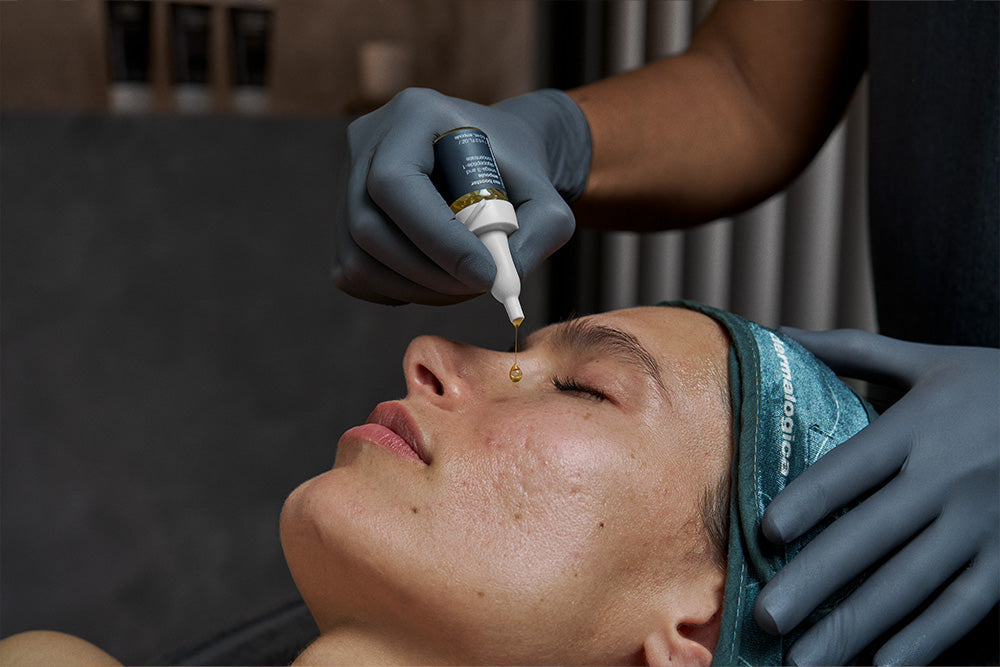
Both are designed to support skin renewal and improve visible signs of ageing, but they work in different ways. At Skintopia, we use Dermalogica’s Exo Booster, powered by vegan, lactobacillus-derived exosomes, as part of our advanced skin treatments. Here’s what you need to know.
What are exosomes?
Exosomes are microscopic vesicles known for their role in skin communication. In professional treatments, they help support the skin’s natural processes, including:
- Renewal
- Hydration
- Barrier support
- Smoother, more even-looking skin
Dermalogica’s Exo Booster uses lactobacillus-derived exosomes, meaning they are:
- Vegan
- Biocompatible
- Developed with a strong focus on professional skin treatments and skin health
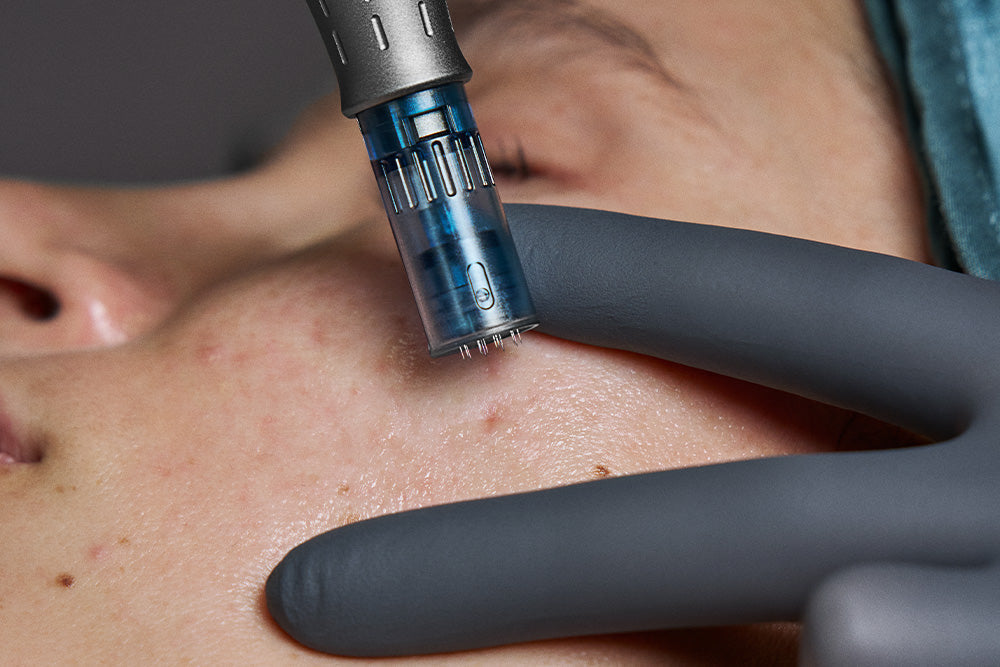
When paired with treatments like microneedling, Exo Booster helps support the skin’s natural renewal processes for smoother, healthier-looking results.
What are polynucleotides (PDRN)?
Polynucleotides, also known as PDRN (polydeoxyribonucleotide), are ingredients derived from salmon DNA fragments.
These treatments are designed to help:
- Support skin recovery
- Improve hydration
- Enhance overall skin quality and texture
They’ve gained attention globally, particularly for improving the appearance of delicate areas like under the eyes.
Key differences: Exosomes vs Polynucleotides
1. Source and formulation
- Exosomes (Exo Booster): vegan, lactobacillus-derived
- Polynucleotides: derived from salmon DNA
2. How they support the skin
- Exosomes: help support skin communication and natural renewal processes
- Polynucleotides: help support hydration and skin recovery
3. Treatment integration
- Exosomes: often used to complement advanced skin treatments like microneedling
- Polynucleotides: typically used in targeted, treatment-focused applications
Why we use Dermalogica’s Exo Booster at Skintopia
Dermalogica’s Exo Booster is designed for professional use and backed by decades of skin health expertise.
We choose it because it:
- Works in synergy with advanced treatments like microneedling
- Supports smoother, more radiant-looking skin
- Aligns with a vegan, science-led approach
- Delivers visible results while supporting long-term skin health
Who is Exo Booster best for?
Exosomes are ideal if you’re looking to:
- Enhance results from advanced skin treatments
- Improve the look and feel of skin texture
- Boost hydration and skin radiance
- Take a proactive, skin health-first approach to ageing
The future of advanced skin treatments
Skin treatments are evolving toward technologies that work with the skin’s natural processes.
Both exosomes and polynucleotides reflect this shift, offering new ways to support skin quality and visible results. At Skintopia, we focus on treatments that align with a professional, results-driven and skin health-first philosophy, which is why we’ve chosen to incorporate Exo Booster into our advanced treatment offerings.
Ready to experience Exo Booster?
Our professional skin therapists can personalise your treatment plan and recommend whether adding Exo Booster to your microneedling or advanced skin treatment is right for you.
Book your consultation to discover the next generation of skin treatments.